
Kidney stones: symptoms, causes, and when it's urgent to see a urologist
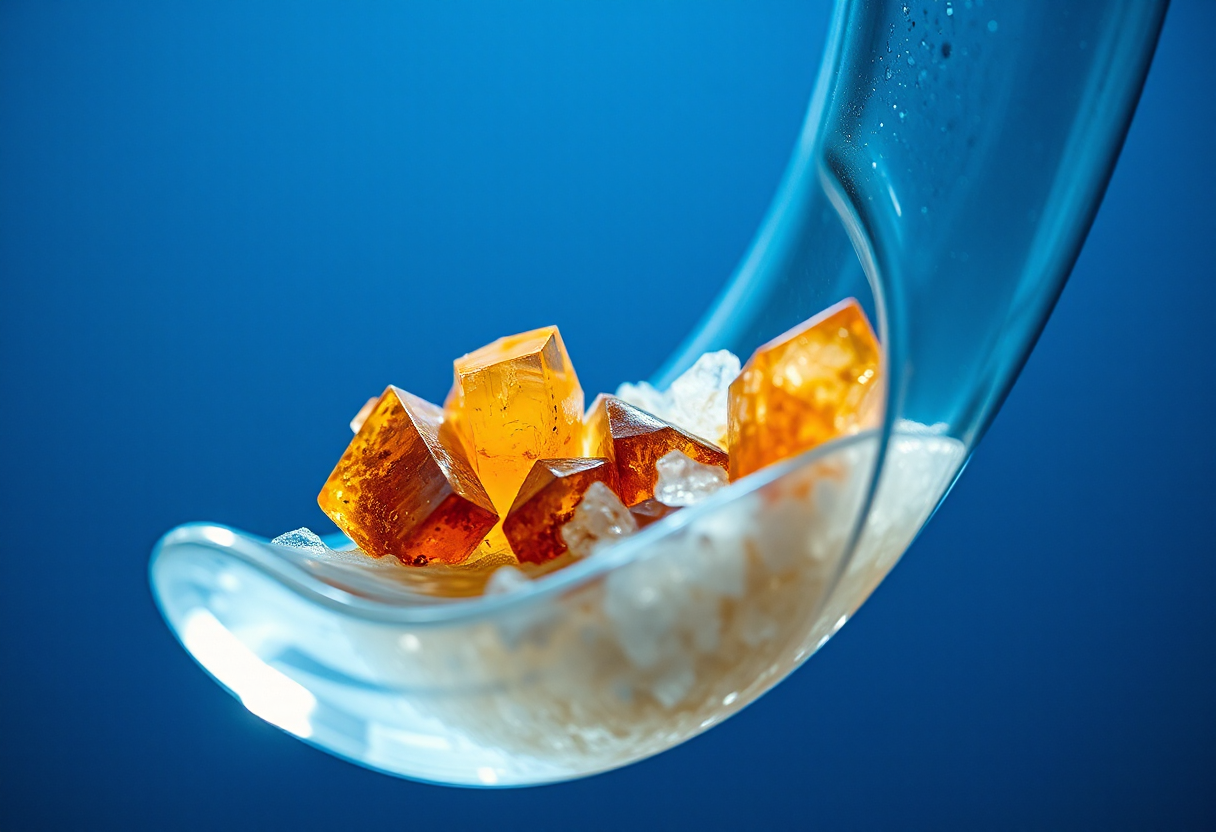
kidney stones Kidney stones (renal lithiasis) are hard deposits formed by minerals and salts that crystallize in the urine. Although they often remain silent, their movement into the ureter triggers the well-known 'renal colic', one of the most intense pains a human being can experience. As head of the Lithiasis and Endourology team at iCUA, I see cases daily ranging from observation to minimally invasive surgery.
Symptoms of kidney stones: when to suspect renal colic
Symptoms vary depending on the size and location of the stoneIf the stone remains stationary in the kidney, it may not cause any discomfort. However, if it moves or blocks the flow of urine, clear signs appear: sharp pain in the back or side that radiates to the groin, nausea, vomiting, and often blood in the urine (hematuria). It is also common to feel a urgent and constant need to urinatewith burning or pain when doing so.
Main causes and risk factors of kidney stones
The formation of calculations is multifactorial. The most frequent cause is dehydration.Drinking too little water concentrates urine, which facilitates the precipitation of salts. Other factors include a diet high in sodium or animal protein, a family history of kidney stones, and certain metabolic conditions. At iCUA We performed a metabolic study comprehensive to identify the root cause and prevent recurrence, not just to remove the stone.
When to go to the Emergency Room for a kidney stone
Not all stones require immediate surgery.However, some situations constitute a real medical emergency. You should go to the Emergency Department or contact your urologist immediately if you experience: a fever above 38°C along with lower back pain (risk of serious infection or sepsis), uncontrollable pain that does not subside with common painkillers, or if you stop urinating completely (anuria), especially if you have only one functioning kidney.
Minimally invasive treatments to eliminate kidney stones
At the Institute of Advanced Urological Surgery (iCUA), I lead a team specializing in endourology and lithiasis. We use minimally invasive techniques such as flexible laser ureteroscopy and percutaneous nephrolithotomyThese procedures allow the stones to be fragmented and extracted through natural passages or minimal incisions, guaranteeing a fast and safe recoveryavoiding traditional open surgery.
FAQ
How long does it take for a kidney stone to pass?
It depends on the size. Stones smaller than 4-5 mm are usually expelled spontaneously. days or weeks with hydration and medicationLarger stones rarely pass on their own and require urological intervention to prevent kidney damage.
Does kidney stone surgery hurt?
Current techniques, such as the laser ureteroscopy we perform at iCUA, are very minimally invasiveThe procedure is performed under anesthesia, so there is no pain during the operation, and the postoperative period is usually mild, allowing for discharge in 24 hours in many cases.
What should I eat if I have kidney stones?
The diet depends on the type of stone, but generally It is recommended to reduce salt, moderate animal protein intake, and maintain a normal calcium intake (Do not eliminate it, as this can be counterproductive). It is vital to drink 2-3 liters of water a day.


